Why this is different.
In twenty years of practice, the complaint I heard more than any other wasn’t a knee, a back, or a bad night’s sleep. It was the same sentence in a hundred variations. “Doc, I just don’t have the energy I used to.” Sometimes it came from a 70-year-old farmer. Sometimes it came from a 42-year-old executive. The age didn’t matter as much as the tone. There was something familiar in the voice: the quiet realization that the body that had carried them through their best years was suddenly auditioning for a different role.
Most of them had already tried something. Usually a “natural energy” gummy from the supermarket, or a powder a friend recommended. Almost always built on caffeine, taurine, and B-vitamins repackaged into a more expensive bottle. Two days of feeling sharper. Then a crash. Then a harder crash a week later when the body adjusted, and they were back where they started, minus the placebo.
The supplement industry has a quiet conspiracy with the energy-drink aisle. The premise of both is that energy is something you can borrow. Drink a stimulant, push past the wall, pay it back later. That model works fine for a 25-year-old in a college dorm. It works very badly for a 55-year-old whose cellular machinery needs the help. Real energy is not borrowed. It’s manufactured, one molecule at a time, inside the cell. And the molecule the cell uses to spend energy has a name. It’s ATP.
Why most energy supplements fail.
Three failures repeat themselves in every bottle I’ve seen on the shelf.
The first is the caffeine shell game. Most of what gets marketed as “all-day energy” is built on caffeine, sometimes paired with other stimulants. If the underlying issue is that the cell isn’t producing energy efficiently, more caffeine is not the answer.
The second is wishful thinking on doses. Many energy supplements list twenty B-vitamins at fractional doses, or CoQ10 at 5 mg when the human research uses 100. The label looks impressive. The body does not notice.
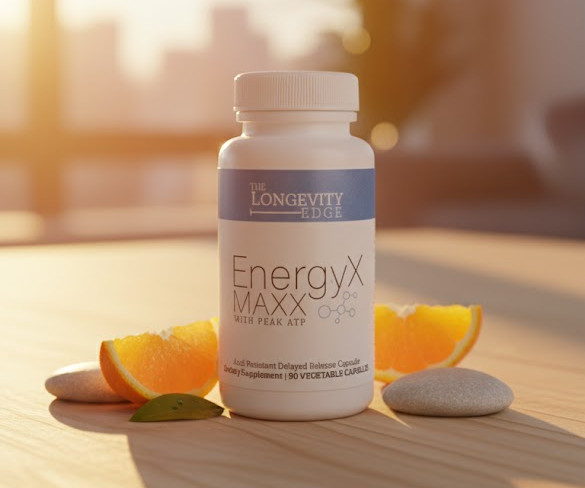
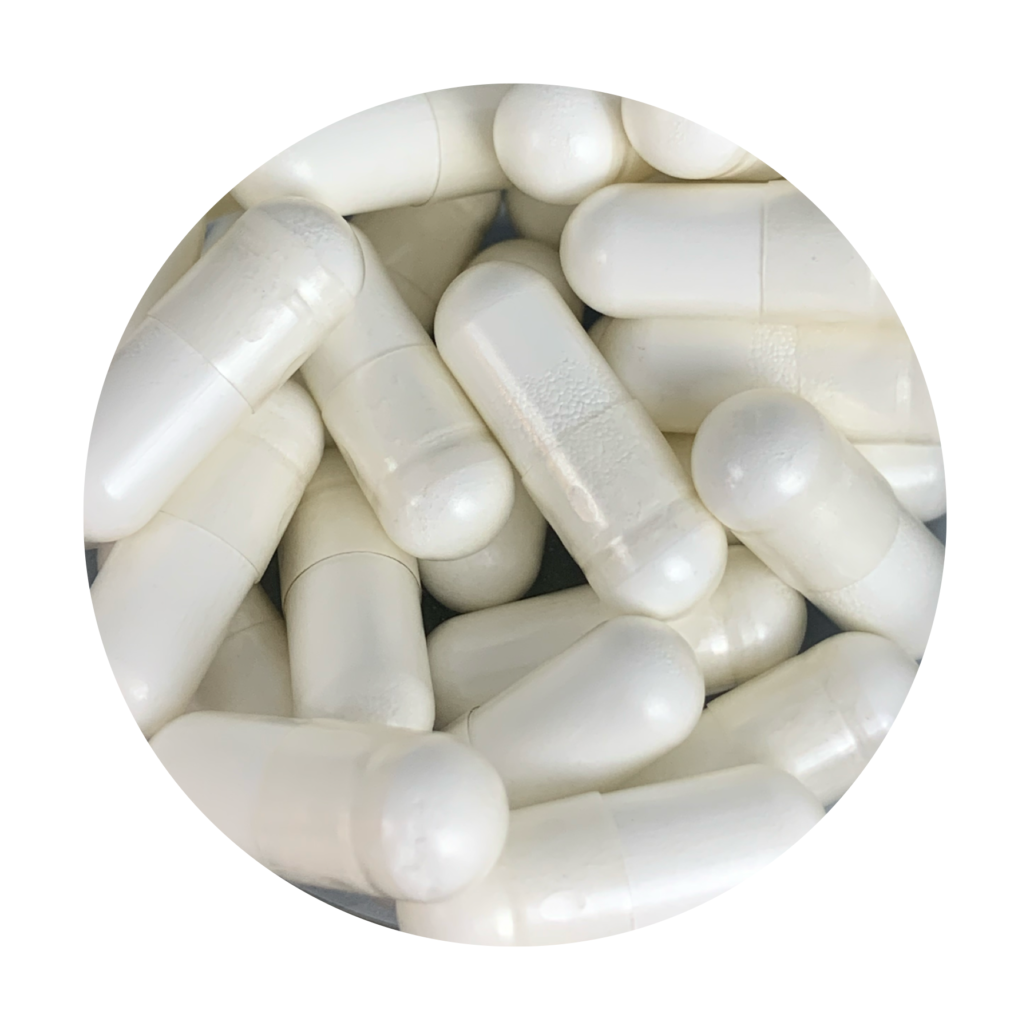
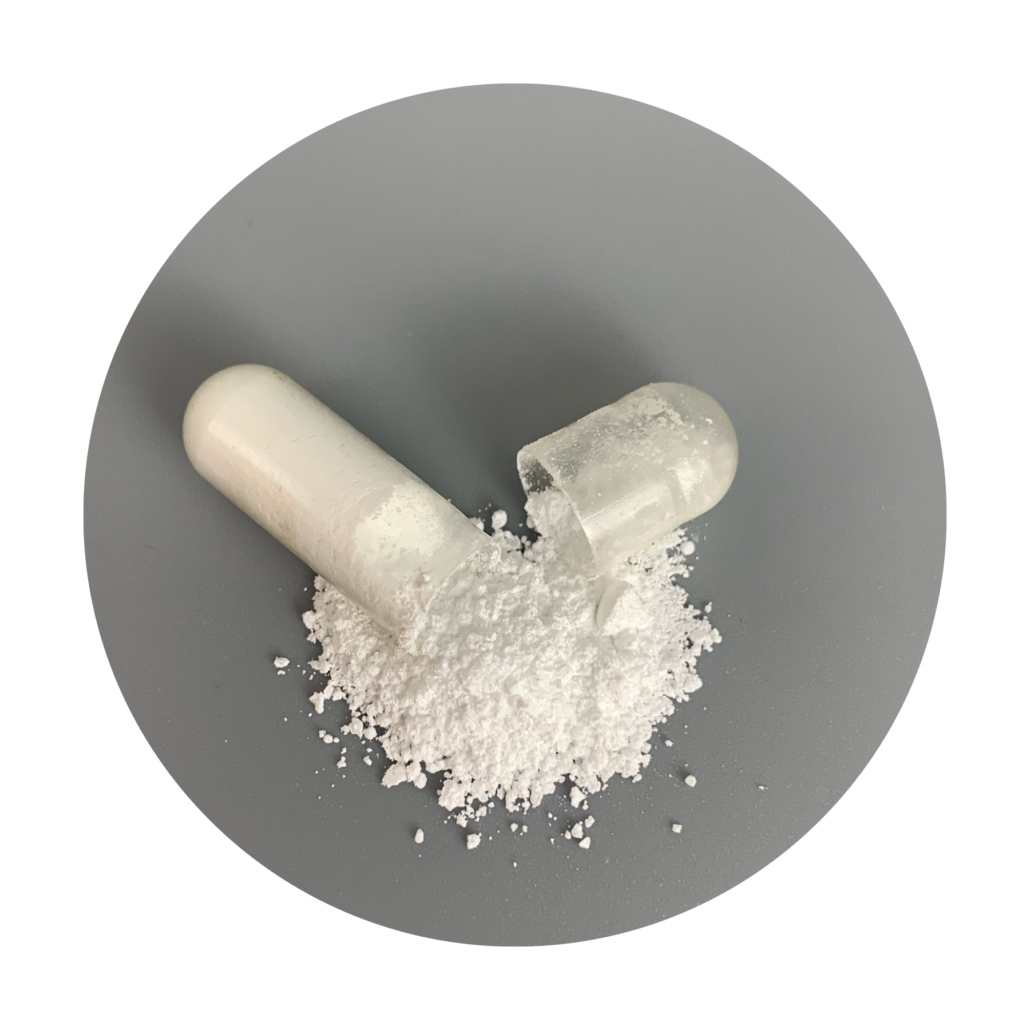
The third is the absorption problem. Oral ATP has a reputation for not surviving the stomach, and most companies that put ATP on a label either ignore that or hope the customer doesn’t notice. That’s why this formula is built into an enteric-coated, delayed-release capsule. It opens in the small intestine, not the stomach. The form matters as much as the dose.
The three ingredients, and why each one earned its place.
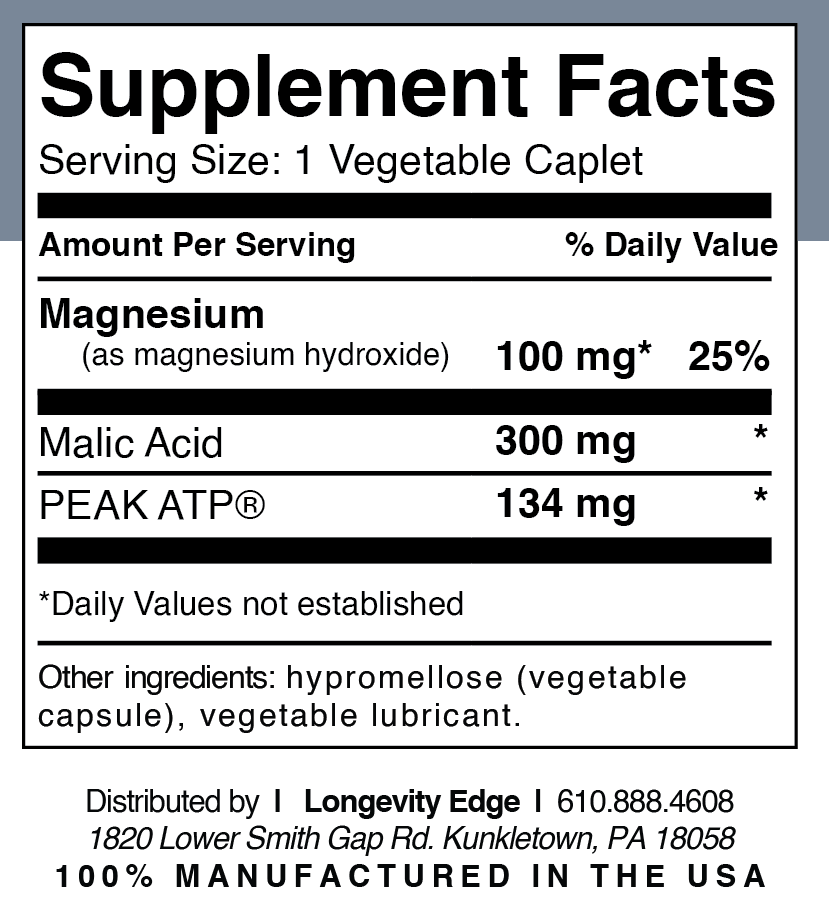
The formula has three ingredients. That’s not a marketing decision. It’s a clinical one.
PEAK ATP® gives the cell the actual currency of energy in the form research has used to measure results. Magnesium, in this case as magnesium hydroxide, gives the cell the cofactor it needs to spend that ATP, because ATP is only biologically active when paired with magnesium. Malic acid keeps the mitochondrial energy chain feeding itself by supporting the cycle that produces more ATP downstream. Each ingredient card below walks through the specific dose, the specific form, and the reason it was chosen.
Who this is for.
The customer who wants more useful hours in a day, not more jittery ones. The customer who’s done with the coffee-and-crash cycle. The athlete or weekend warrior who wants something clean, legal, and free of banned substances. The person who walks up two flights of stairs and notices it’s getting harder, and would rather do something about that than ignore it.
Who this isn’t for.
If you’re on a prescription diuretic, talk to your physician before adding any magnesium-containing supplement. The conversation is short. It should happen.
If you take medication for blood pressure, PEAK ATP has mild vasodilatory properties in the published research. Your prescribing doctor needs to know what you’re adding.
If you’re pregnant or nursing, this isn’t the moment to add a new supplement without your OB’s input.
And if you’re going to take it for a week, decide it’s not magic, and put the bottle in the back of a drawer, save your money. Energy is built. It is not delivered.
What you won’t find on the label.
No caffeine. No proprietary “energy blends” hiding the actual doses. No artificial colors. No animal-derived gelatin. The capsule shell is hypromellose, plant-based, with a vegetable lubricant.
The product is 100% manufactured in the United States. The formula carries the PEAK ATP® branded raw material, the same form used in the human research, not a generic ATP knockoff repackaged into a cheaper bottle.
This is the formula I’d build today, with two decades of research behind it. I take a capsule in the morning before breakfast. So do the patients who ask me what to do when coffee stops working.
Doc